


Shop Mor's impressive showrooms and online furniture store today to get the best furniture for less. We are a West Coast furniture industry leader with decades of experience bringing customers the pieces they love. If you are looking for a furniture store near you that offers big savings, and never any hassle, we are the retailer to trust. With superior customer service, SafeGuard Mor protection plans to keep your furniture looking new for years, and our exclusive double-the-difference guarantee*, we can't be beaten. See why countless West Coast furniture shoppers turn to Mor each year and instantly elevate the look of your home with timeless, stylish, stunning items.
Foundations
-
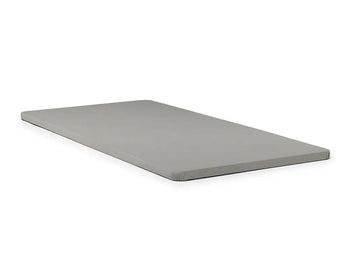
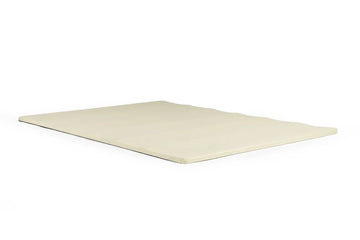
 Sealy Plush Stablesupport Bunkie Board
From $139.99
Sealy Plush Stablesupport Bunkie Board
From $139.99
-
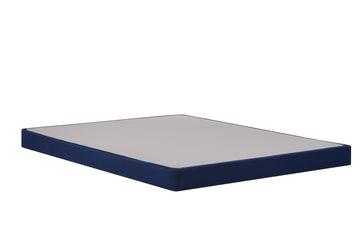
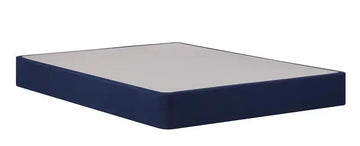
 Sealy 5 Inch Flat Foundation Flat Foundation
From $175.00
Sealy 5 Inch Flat Foundation Flat Foundation
From $175.00
-
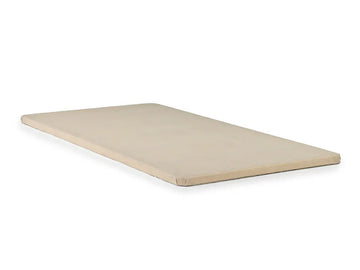
 Sherwood Orthopedic Bunkie Board
From $99.99
Sherwood Orthopedic Bunkie Board
From $99.99
-
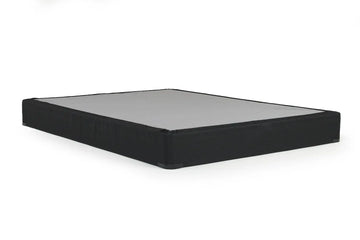
 Sherwood Black Laminated Flat Foundation
From $175.00
Sherwood Black Laminated Flat Foundation
From $175.00
-
 Sealy 9 Inch Flat Foundation Flat Foundation
From $175.00
Sealy 9 Inch Flat Foundation Flat Foundation
From $175.00
-
 Sherwood Bunkie Board
From $100.00
Sherwood Bunkie Board
From $100.00
-
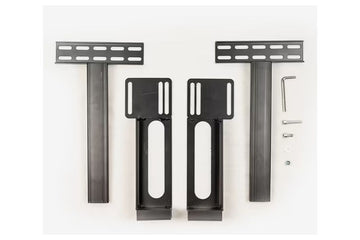
 Tempur Pedic Adjustable Foundation Component
$24.00
Tempur Pedic Adjustable Foundation Component
$24.00
-
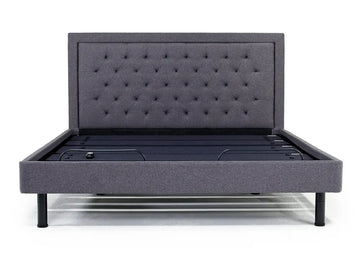
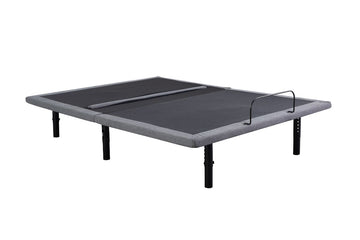
 Duo Adjustable Foundation Bed
From $799.00
Duo Adjustable Foundation Bed
From $799.00
-
 Tempur Pedic Flat Black Ultra Low Profile Flat Foundation
From $255.00
Tempur Pedic Flat Black Ultra Low Profile Flat Foundation
From $255.00
-
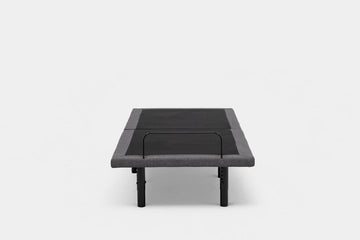
 Vista Adjustable Foundation Bed
From $799.00
Vista Adjustable Foundation Bed
From $799.00
-
 Tempur Pedic Flat Black High Profile Flat Foundation
From $255.00
Tempur Pedic Flat Black High Profile Flat Foundation
From $255.00
-
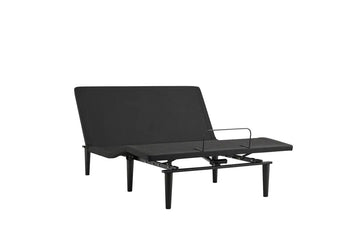
 Tempur Pedic Ergo 3.0 Adjustable Foundation
From $1,499.00
Tempur Pedic Ergo 3.0 Adjustable Foundation
From $1,499.00
-
 Nupg200 Pro Adjustable Foundation
From $499.99
Nupg200 Pro Adjustable Foundation
From $499.99
-
 Gavin Adjustable Foundation Bed
From $799.00
Gavin Adjustable Foundation Bed
From $799.00
-
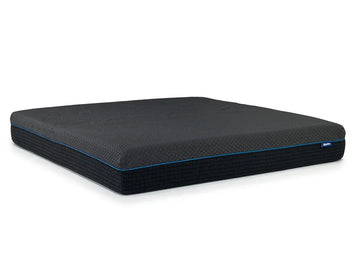
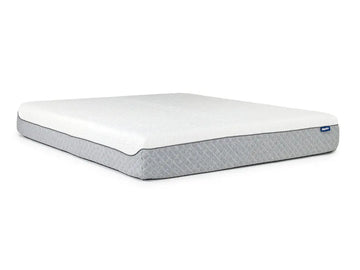
 Sleepmor 10 Inch Hybrid Cool Firm Mattress & Adjustable Foundation Package
From $1,478.97
Sleepmor 10 Inch Hybrid Cool Firm Mattress & Adjustable Foundation Package
From $1,478.97
-
 Sleepmor 10 Inch Copper Infused Medium Mattress & Adjustable Foundation Package
From $1,328.97
Sleepmor 10 Inch Copper Infused Medium Mattress & Adjustable Foundation Package
From $1,328.97
-
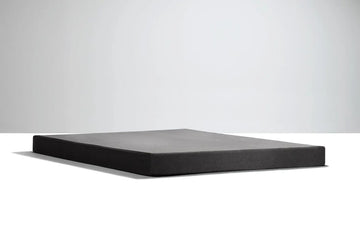
 Tempur Pedic Flat Black Low Profile Flat Foundation
From $255.00
Tempur Pedic Flat Black Low Profile Flat Foundation
From $255.00
-
 Sealy Ease 4 Adjustable Foundation
From $899.00
Sealy Ease 4 Adjustable Foundation
From $899.00
-
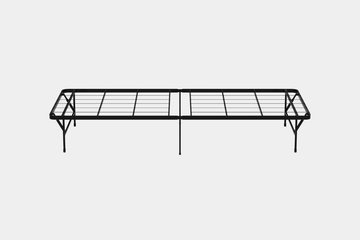
 Mlily Folding Platform Flat Foundation Dropship
From $129.99
Mlily Folding Platform Flat Foundation Dropship
From $129.99
-
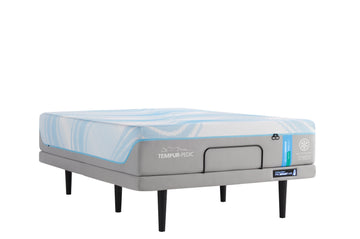
 Tempur Pedic Active Breeze Ii Hybrid Mattress & Adjustable Foundation Package
From $9,198.00
Tempur Pedic Active Breeze Ii Hybrid Mattress & Adjustable Foundation Package
From $9,198.00
-
 Sleepmor 12 Inch Hybrid Cool Medium Mattress & Adjustable Foundation Package
From $1,578.97
Sleepmor 12 Inch Hybrid Cool Medium Mattress & Adjustable Foundation Package
From $1,578.97
-
 Sleepmor 12 Inch Copper Infused Medium Mattress & Adjustable Foundation Package
From $1,478.97
Sleepmor 12 Inch Copper Infused Medium Mattress & Adjustable Foundation Package
From $1,478.97
-
 Nupg500 Adjustable Foundation
From $999.99
Nupg500 Adjustable Foundation
From $999.99
-
 Nupg400 Adjustable Foundation
From $699.99
Nupg400 Adjustable Foundation
From $699.99
-
 Nup200 Adjustable Foundation
From $399.99
Nup200 Adjustable Foundation
From $399.99
-
 Tempur Pedic Ergo Smart 2.0 Adjustable Foundation
From $1,899.00
Tempur Pedic Ergo Smart 2.0 Adjustable Foundation
From $1,899.00
-
 Tempur Pedic Ergo Pro Smart Adjustable Foundation
From $2,399.00
Tempur Pedic Ergo Pro Smart Adjustable Foundation
From $2,399.00
-
 Sealy Plush Stablesupport Flat Foundation
From $175.00
Sealy Plush Stablesupport Flat Foundation
From $175.00
-
 Purple Premier Plus Smart Adjustable Foundation
From $1,595.00
Purple Premier Plus Smart Adjustable Foundation
From $1,595.00
-
 Nl400f Adjustable Foundation
From $749.99
Nl400f Adjustable Foundation
From $749.99
-
 Ne600s Adjustable Foundation
From $1,499.99
Ne600s Adjustable Foundation
From $1,499.99
-
 Ne500s Adjustable Foundation
From $1,199.99
Ne500s Adjustable Foundation
From $1,199.99
-
 Mlily 11.5 Inch Powercool Medium Mattress & Adjustable Foundation Package
From $5,699.00
Mlily 11.5 Inch Powercool Medium Mattress & Adjustable Foundation Package
From $5,699.00
-
 Mlily 11.5 Inch Powercool Firm Hybrid Adjustable Foundation
From $2,000.00
Mlily 11.5 Inch Powercool Firm Hybrid Adjustable Foundation
From $2,000.00
