
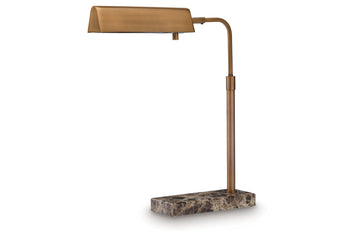
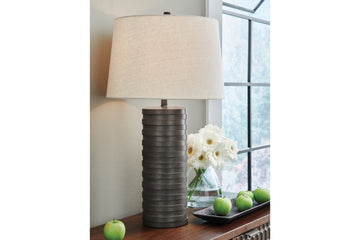
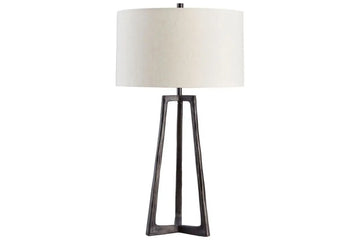
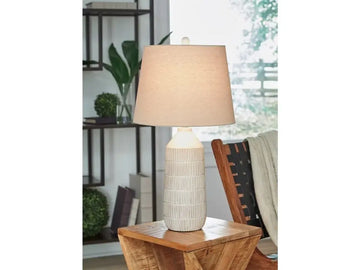
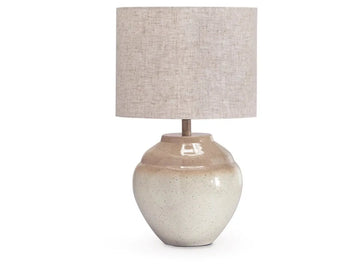
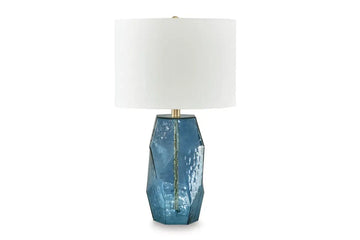
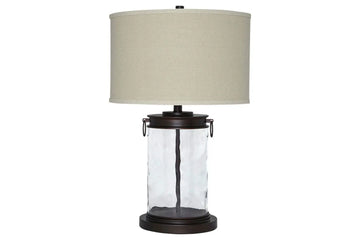
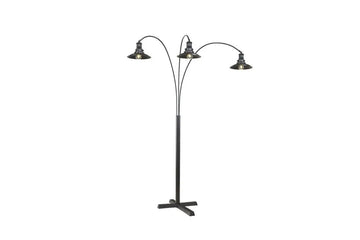
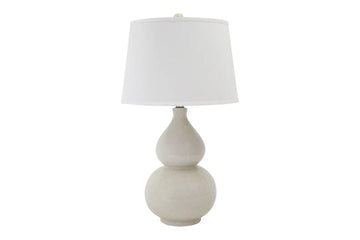
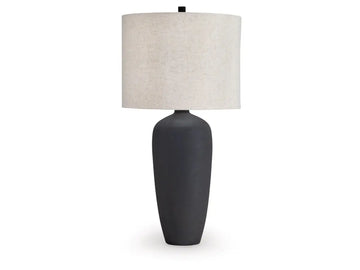
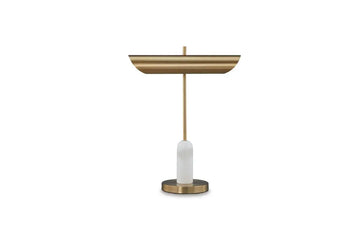


Shop Mor's impressive showrooms and online furniture store today to get the best furniture for less. We are a West Coast furniture industry leader with decades of experience bringing customers the pieces they love. If you are looking for a furniture store near you that offers big savings, and never any hassle, we are the retailer to trust. With superior customer service, SafeGuard Mor protection plans to keep your furniture looking new for years, and our exclusive double-the-difference guarantee*, we can't be beaten. See why countless West Coast furniture shoppers turn to Mor each year and instantly elevate the look of your home with timeless, stylish, stunning items.
Office Lighting
-
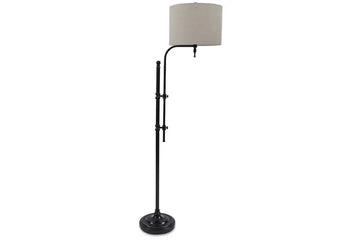
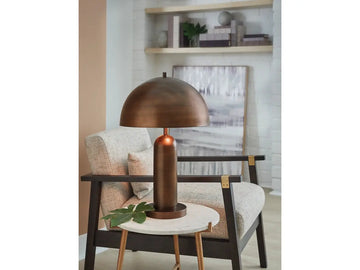
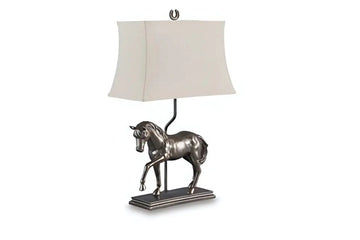
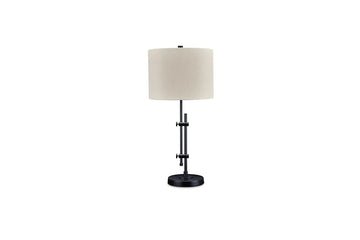
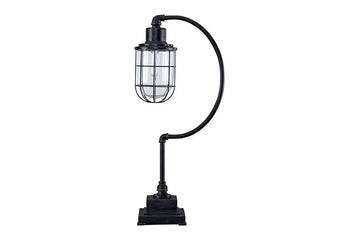
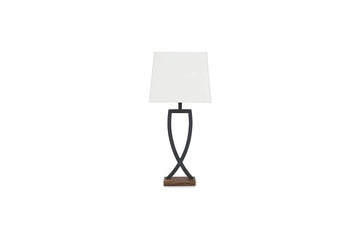
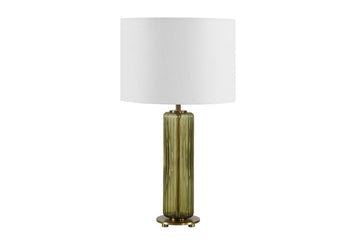
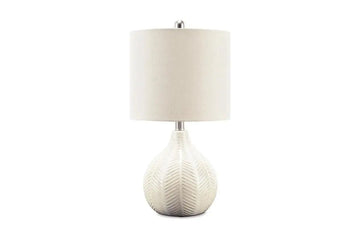
 Aanem Lamp
$79.00
Aanem Lamp
$79.00
-
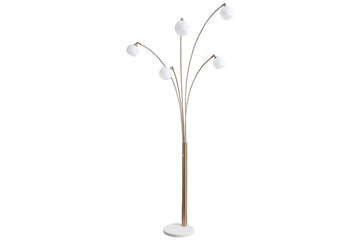
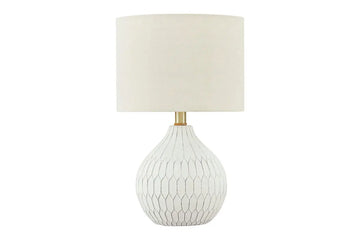
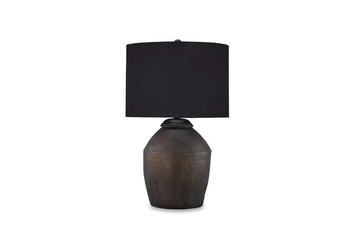
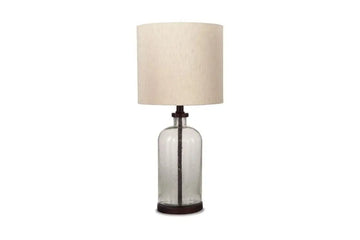
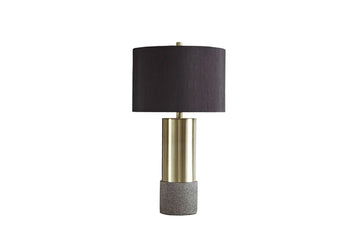
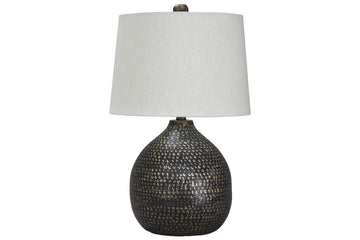
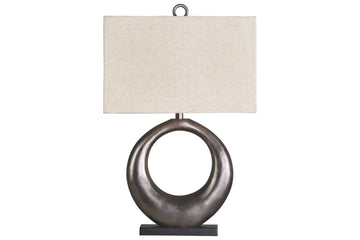
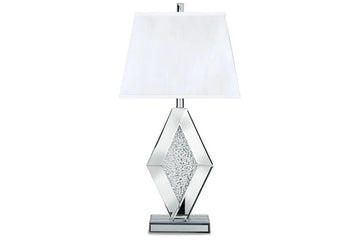
 Taliya Lamp
$199.99
Taliya Lamp
$199.99
-
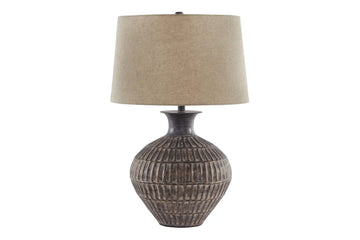
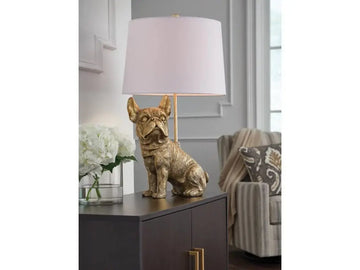
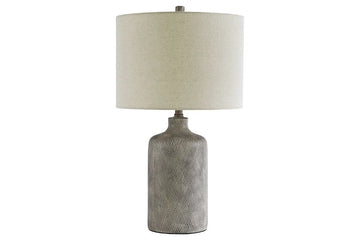
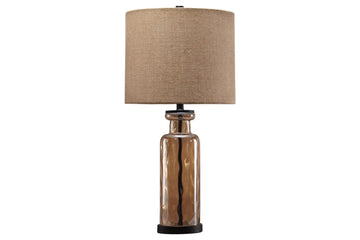
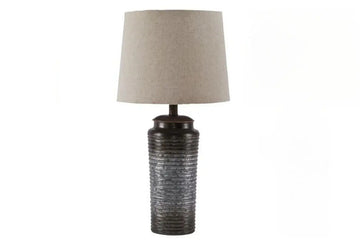
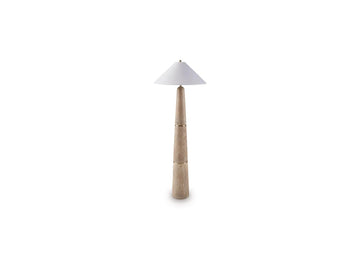
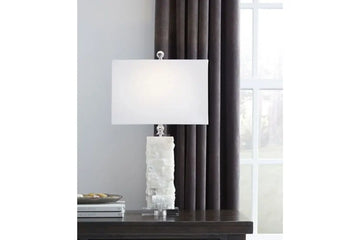
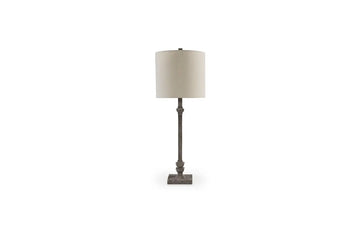
 Magan Lamp
$99.99
Magan Lamp
$99.99
-
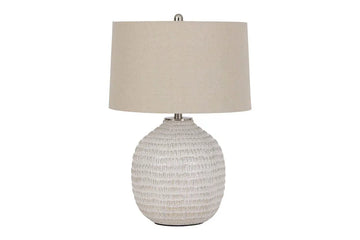
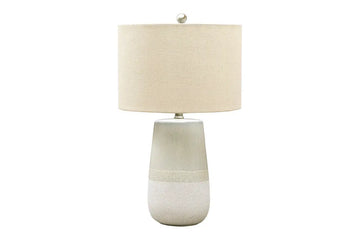
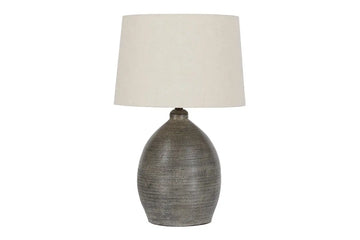
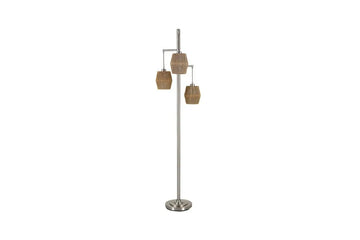
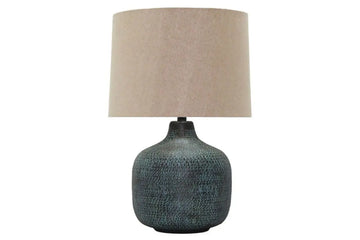
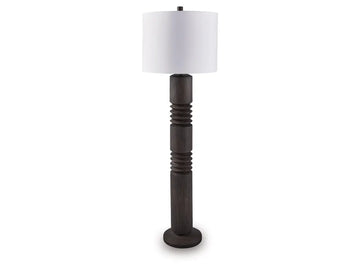
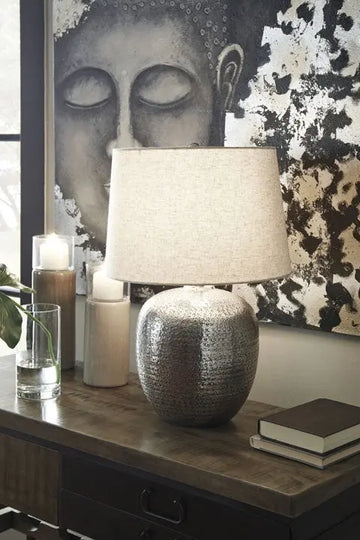
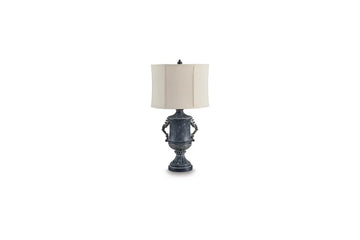
 Jamon Lamp
$99.99
Jamon Lamp
$99.99
-
 Wendfield Lamp
From $89.99
Wendfield Lamp
From $89.99
-
 Wardmont Lamp
$39.99
Wardmont Lamp
$39.99
-
 Wadeland Lamp
$69.99
Wadeland Lamp
$69.99
-
 Shavon Lamp
$69.99
Shavon Lamp
$69.99
-
 Sandorman Lamp
$69.99
Sandorman Lamp
$69.99
-
 Naareman Lamp
$99.99
Naareman Lamp
$99.99
-
 Linus Lamp
$49.99
Linus Lamp
$49.99
-
 Joyelle Lamp
$129.99
Joyelle Lamp
$129.99
-
 Baronvale Lamp
From $59.99
Baronvale Lamp
From $59.99
-
 Bandile Lamp
$39.99
Bandile Lamp
$39.99
-
 Laurentia Lamp
$59.99
Laurentia Lamp
$59.99
-
 Joplin Lamp
$249.99
Joplin Lamp
$249.99
-
 Jae Lamp
$69.00
Jae Lamp
$69.00
-
 Jacek Lamp
$49.99
Jacek Lamp
$49.99
-
 Norbert Lamp
$49.99
Norbert Lamp
$49.99
-
 Malthace Lamp
$99.99
Malthace Lamp
$99.99
-
 Makara Lamp
$49.99
Makara Lamp
$49.99
-
 Maire Lamp
$79.99
Maire Lamp
$79.99
-
 Gasparleigh Lamp
$199.99
Gasparleigh Lamp
$199.99
-
 Fainwell Lamp
$199.99
Fainwell Lamp
$199.99
-
 Vera Lamp
$139.99
Vera Lamp
$139.99
-
 Saria Lamp
$99.99
Saria Lamp
$99.99
-
 Malise Lamp
$99.99
Malise Lamp
$99.99
-
 Magalie Lamp
$79.99
Magalie Lamp
$79.99
-
 Harif Lamp
$99.99
Harif Lamp
$99.99
-
 Emelda Lamp
$69.99
Emelda Lamp
$69.99
-
 Chaston Lamp
$49.99
Chaston Lamp
$49.99
-
 Marnina Lamp
$39.99
Marnina Lamp
$39.99
-
 Yafe Lamp
From $129.99
Yafe Lamp
From $129.99
-
 Neilett Lamp
$69.99
Neilett Lamp
$69.99
-
 Wynlett Lamp
$149.99
Wynlett Lamp
$149.99
-
 Willport Lamp
$59.99
Willport Lamp
$59.99
-
 Waldish Lamp
$69.99
Waldish Lamp
$69.99
-
 Veraleigh Lamp
From $99.99
Veraleigh Lamp
From $99.99
-
 Tallow Lamp
$59.99
Tallow Lamp
$59.99
-
 Tailynn Lamp
$99.99
Tailynn Lamp
$99.99
-
 Sheriel Lamp
$249.99
Sheriel Lamp
$249.99
-
 Saffi Lamp
$69.00
Saffi Lamp
$69.00
-
 Ryenburg Lamp
$129.99
Ryenburg Lamp
$129.99
-
 Rowleigh Lamp
$59.99
Rowleigh Lamp
$59.99
-
 Rainermen Lamp
$49.99
Rainermen Lamp
$49.99
-
 Prunella Lamp
$129.99
Prunella Lamp
$129.99
-
 Oralieville Lamp
$59.99
Oralieville Lamp
$59.99
-
 Morvanford Lamp
$89.99
Morvanford Lamp
$89.99
